
Like Most Addictions, Too Much Stress Can Kill You.
Stress, with all its negative effects, can be addictive. Some people love it, even though it’s killing them. Stress is an addiction that causes insomnia and weight gain. Moreover, it leads to other harmful self-soothing habits like smoking; excessive alcohol use; and...
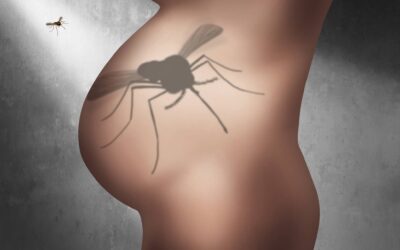
Zika vs DEET
Avoiding mosquito bites offers the best protection against Zika virus. Use DEET. But, you should know that this insect repellant is absorbed through the skin. DEET crosses the placenta. This compound will get into the babies bloodstream. But, DEET has never been shown...
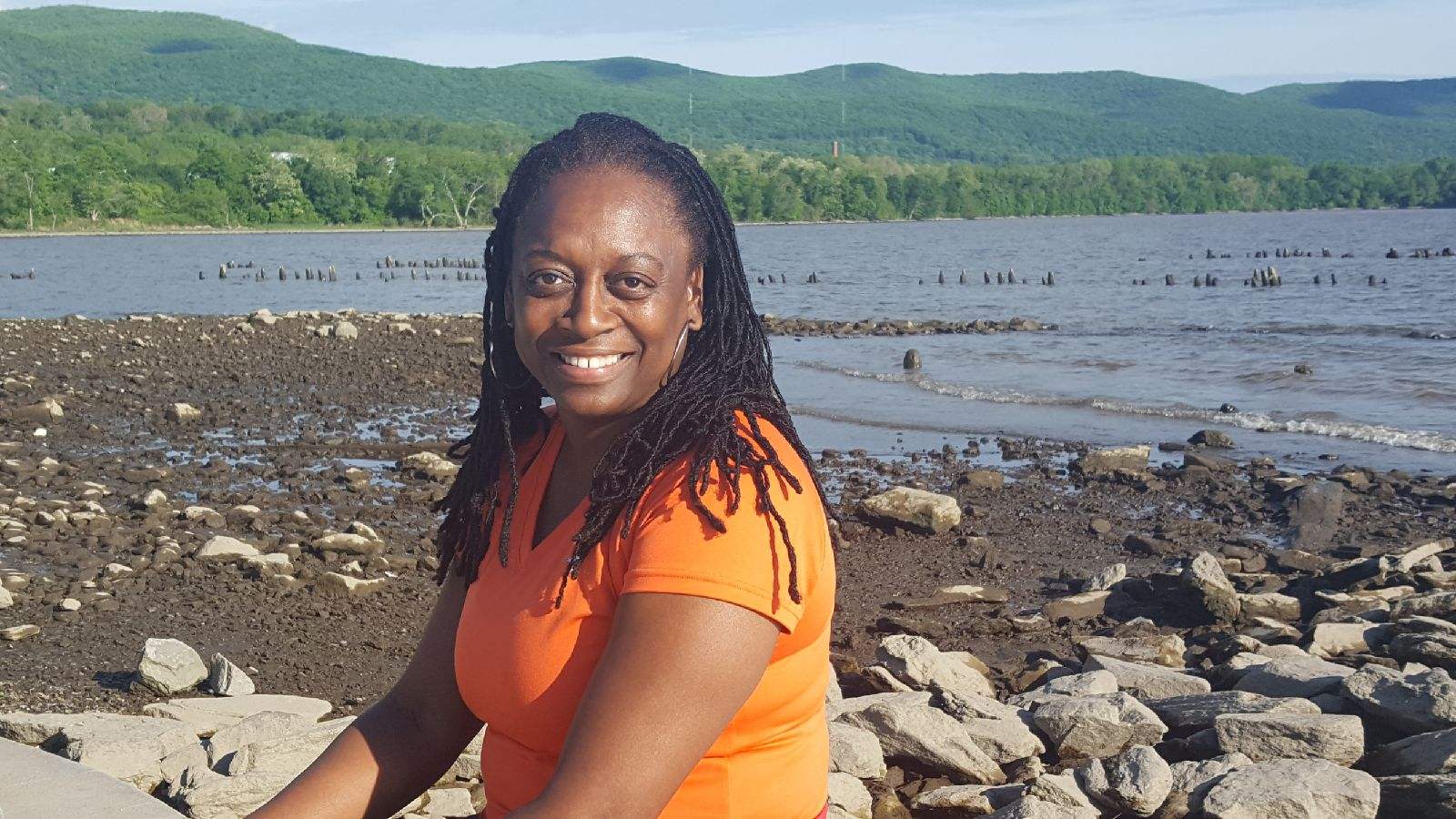
Ode To Women in the Military
Command Sergeant Major Adams (Retired) has served our military for longer than she has been my friend. Thirty years. She has been deployed to the Persian Gulf for both Desert Storm and Dessert Shield. In 2004 she was sent back to the Middle East for Operation Iraqi...
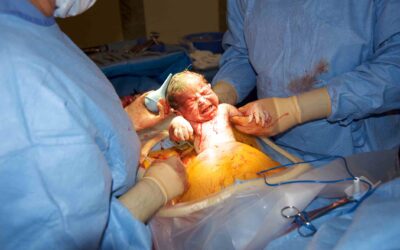
What You Can Do to Avoid a Cesarean
Cesarean births dates back to the sixteenth century. Its use, then and now, has saved the lives of countless babies and mothers. But now, one in three babies are delivered via cesarean-section. What one hospital is doing to reduce the number of cesareans was printed...

A Happy Doctor Saves Lives
A happy doctor will practice better medicine. TheBMJ published a study this month, which highlights the problem or poor staffing on weekends. This can lead to worse outcomes for mothers and babies who deliver on the weekends. This did not surprise me at...

Who’s Right…Whose Life…Whose Choice
Every part of life has to be considered before one decides to have a baby. This is true, even if you believe in God. Who best to make that decision? Even if she is in a partnership with another adult—her physical, emotional and financial wellbeing will be tested. Does...
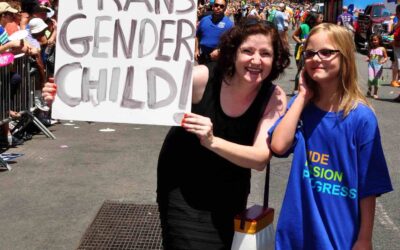
Understanding Transgender Children
From the moment we're born, our gender identity is no secret.We're either a boy or a girl. Gender organizes our world into pink or blue. As we grow up, most of us naturally fit into our gender roles. Girls wear dresses and play with dolls. For boys, it's pants and...

Divorce
Going Beyond Anxiety and Positional Thinking During a Divorce When people are divorcing, they are often filled with intense anxiety. They feel compelled to solve whatever is causing their anxiety—sometimes before they are ready to do so. All too often, they want to...
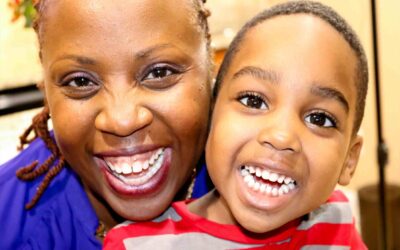
Clean Teeth, Fresh Breath: Not Just For Kissing
It’s something that most people don’t even consider: how much your pregnancy can affect your teeth. And, how much your dental health impacts your entire life. Unfortunately, this is a topic that few obstetricians remember to address with their patients. Yet, dental...

God and Men: Skin Cancer
He was a god watching over the woman as she slapped at the waves arduously trying to remove her ill fitted orange bathing suit. He glared at the chubby baby whose immature gait tackled the uneven terrain of white sand. This god hovered over the fifty something woman...
Who Are We?
Below The Belly Button is about health, life and learning to live well. We want to learn and chat about everything! Love. Divorce. Menopause. Motherhood. Diabetes. Chlamydia. Politics. Work. Men. Women. Sex. Money. BTBB is about living your best life, no matter what’s below your belly button.
Healthy Lifestyle
Health Starts with you!
Don't be Shy
Drop us a line anytime, and one of our customer service reps will respond to you as soon as possible
[popup_anything id="771"]